Our website uses cookies..... but the good ones. Not the evil ones, like government spying on you, or your ex stalking you 🤍

Strategic Goal 7
The city of Tallinn defends fulfilling housing as a basic human right. Here, equality is a cultural value and affordability is an outcome of dignity and fulfillment.
In Tallinn, affordable-housing innovations are researched, evaluated and practically supported through a public-private housing policy lab. Made up of public servants, businesses and citizens, Tallinn’s housing-policy lab researches affordability issues, launches nonpartisan research projects and publishes reports to inform public policy on affordable housing. Its action plans are measurable and specific.
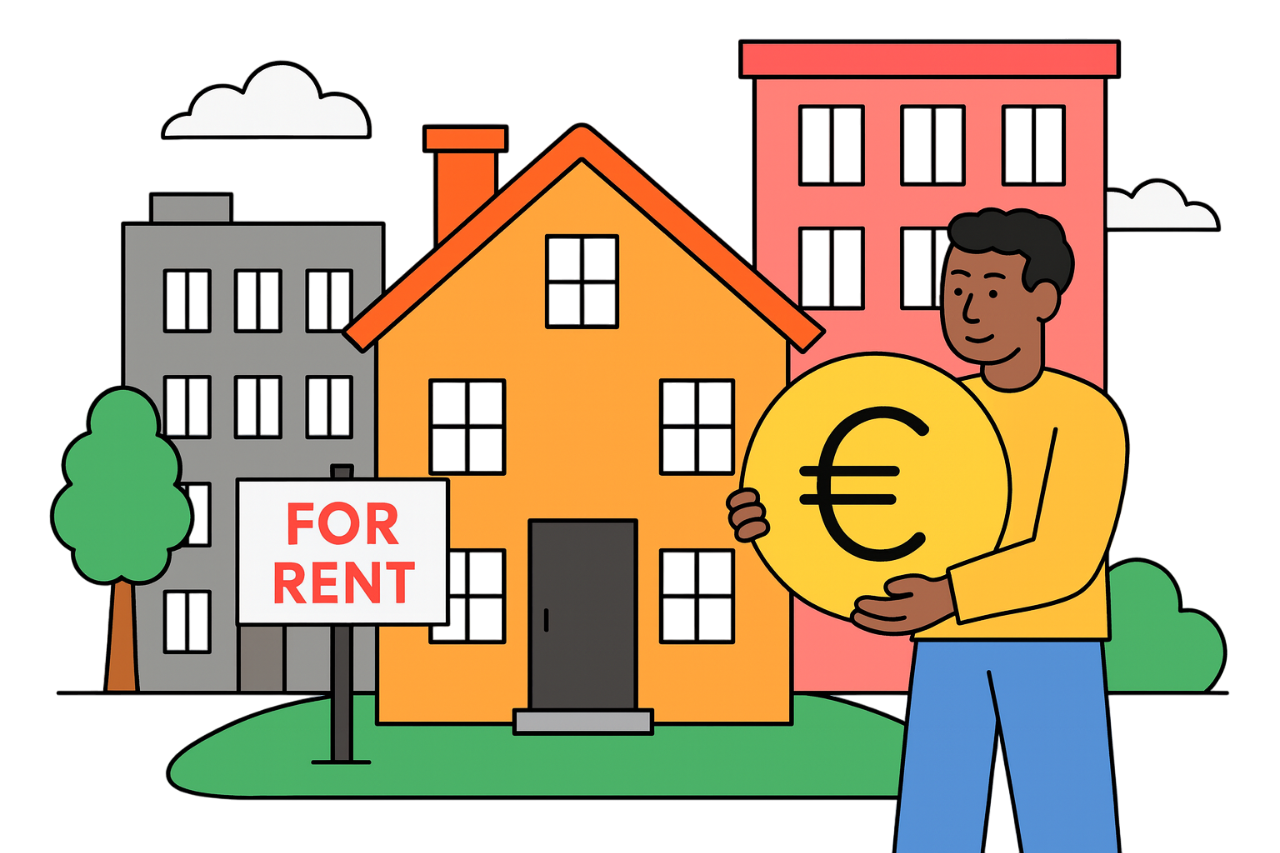
Tallinn’s vibrant free market is augmented by public-private programs that cultivate social ties through affordable housing. The city allocates state and EU funds to address affordable-housing goals. People in need of assistance from government and financial institutions can buy or retrofit their home without risking untenable debt. Reasonable limits on wealth accumulation through property, such as residency requirements and revised tax law, generate public funds and create more economic opportunities for more citizens. Affordable-housing projects are prioritized, with developers facing fewer bureaucratic and time requirements for their contracts. Housing associations and home owners seeking energy-efficiency upgrades can easily apply for funding and contact skilled labor through a vetted database.
Tallinn understands that the affordable housing crisis is a persistent polycrisis. It can only be solved by business, government and citizens working as one.
Fulfilling housing
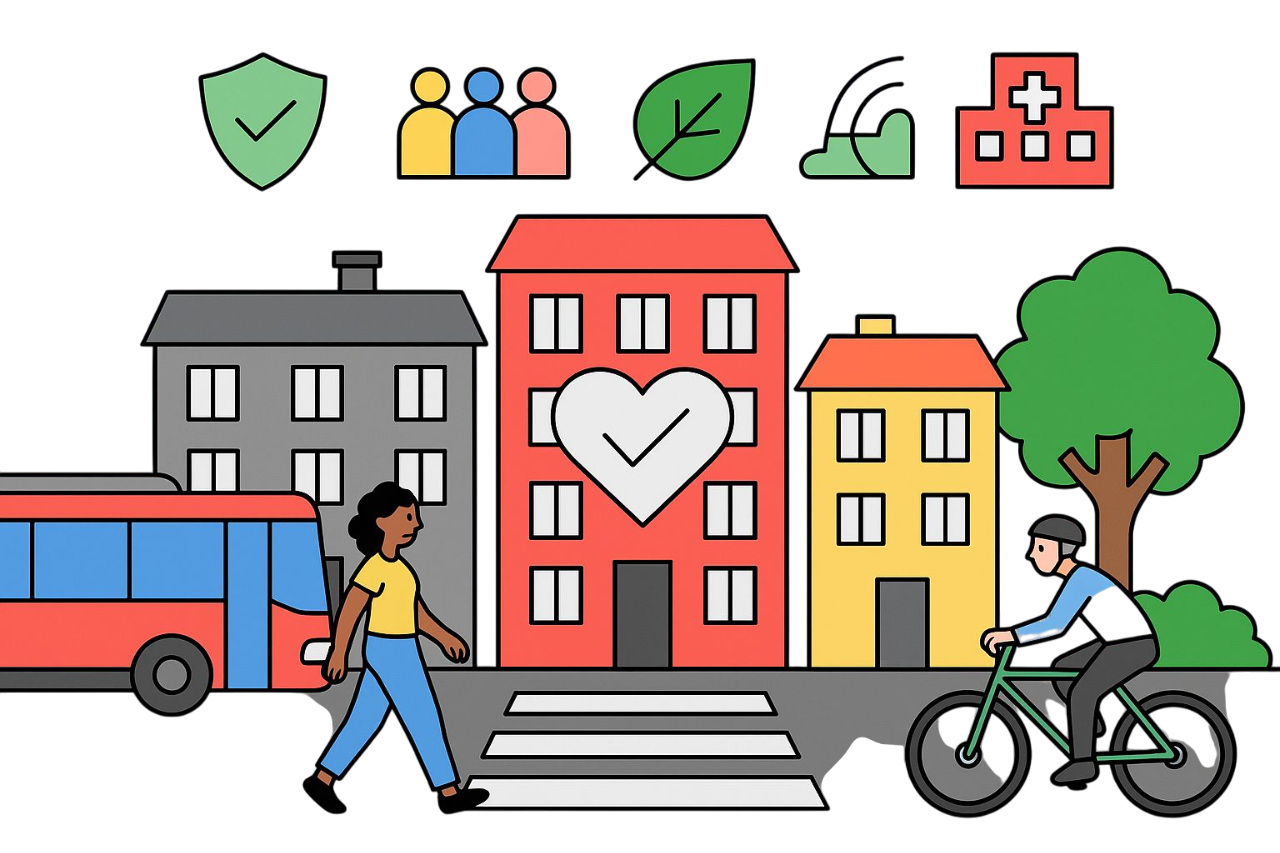
Since home is the heart of a fulfilling life, the city of Tallinn measures home not only spatially but psychologically, socially and economically. Dense housing typologies prioritize community and accessibility as well as privacy and energy efficiency. Streets protect pedestrians and cyclists. Parks protect nature and serve the human need to connect to it. Neighborhoods include shared services for community needs, and community organizations have ample resources to quickly respond to emergencies. People can get to work efficiently via public transportation and pedestrian infrastructures.
By 203575% or more people living in Tallinn will spend less than 40% of their monthly income to live within a single 30-minute bus or tram ride from work.
Homes measurably fulfill people’s needs
Those who live and work in Tallinn are active participants in understanding, defining and making policy on what “fulfilling housing” means. To live well in Tallinn means to have equal access to green spaces, good jobs, safe streets, shopping and services, healthy food and places to meet, all within a reasonable distance. Ongoing research on people’s experiences and perceptions aims to draw a more complete, data-driven picture of affordability and fulfillment. The public actively participates in setting policies and measuring progress.
By 2035The trend of wealth inequality in Tallinn will reverse.
By 2035Tallinn will publish regular reports on fulfilling housing.
People help define “fulfilling”
Different people have different needs and respond differently to circumstances. What matters to a recent high-school graduate in Kopli may not matter to an older person living in Lasnamäe. Knowing that people’s needs and behaviors are inseparable from where they live, Tallinn includes social and environmental data—context understood through ongoing research—in its policies on fulfilling housing. More contextualized policymaking includes evaluating how market forces or public services affect which people’s needs at a district level.
By 2035All districts in Tallinn will include multivariate research data in their strategic housing plans.
By 2035Tallinn will include district-level research data in its strategic policies.
Fulfillment depends on the needsof people and place




Tallinn 2035 Affordability Framework
Our website uses cookies..... but the good ones. Not the evil ones, like government spying on you, or your ex stalking you 🤍
Strategic Goal 7
The city of Tallinn defends fulfilling housing as a basic human right. Here, equality is a cultural value and affordability is an outcome of dignity and fulfillment.
In Tallinn, affordable-housing innovations are researched, evaluated and practically supported through a public-private housing policy lab. Made up of public servants, businesses and citizens, Tallinn’s housing-policy lab researches affordability issues, launches nonpartisan research projects and publishes reports to inform public policy on affordable housing. Its action plans are measurable and specific.
Tallinn’s vibrant free market is augmented by public-private programs that cultivate social ties through affordable housing. The city allocates state and EU funds to address affordable-housing goals. People in need of assistance from government and financial institutions can buy or retrofit their home without risking untenable debt. Reasonable limits on wealth accumulation through property, such as residency requirements and revised tax law, generate public funds and create more economic opportunities for more citizens. Affordable-housing projects are prioritized, with developers facing fewer bureaucratic and time requirements for their contracts. Housing associations and home owners seeking energy-efficiency upgrades can easily apply for funding and contact skilled labor through a vetted database.
Tallinn understands that the affordable housing crisis is a persistent polycrisis. It can only be solved by business, government and citizens working as one.
Fulfilling housing
Since home is the heart of a fulfilling life, the city of Tallinn measures home not only spatially but psychologically, socially and economically. Dense housing typologies prioritize community and accessibility as well as privacy and energy efficiency. Streets protect pedestrians and cyclists. Parks protect nature and serve the human need to connect to it. Neighborhoods include shared services for community needs, and community organizations have ample resources to quickly respond to emergencies. People can get to work efficiently via public transportation and pedestrian infrastructures.
By 203575% or more people living in Tallinn will spend less than 40% of their monthly income to live within a single 30-minute bus or tram ride from work.
Homes measurably fulfill people’s needs
Those who live and work in Tallinn are active participants in understanding, defining and making policy on what “fulfilling housing” means. To live well in Tallinn means to have equal access to green spaces, good jobs, safe streets, shopping and services, healthy food and places to meet, all within a reasonable distance. Ongoing research on people’s experiences and perceptions aims to draw a more complete, data-driven picture of affordability and fulfillment. The public actively participates in setting policies and measuring progress.
By 2035The trend of wealth inequality in Tallinn will reverse.
By 2035Tallinn will publish regular reports on fulfilling housing.
People help define “fulfilling”
Different people have different needs and respond differently to circumstances. What matters to a recent high-school graduate in Kopli may not matter to an older person living in Lasnamäe. Knowing that people’s needs and behaviors are inseparable from where they live, Tallinn includes social and environmental data—context understood through ongoing research—in its policies on fulfilling housing. More contextualized policymaking includes evaluating how market forces or public services affect which people’s needs at a district level.
By 2035All districts in Tallinn will include multivariate research data in their strategic housing plans.
By 2035Tallinn will include district-level research data in its strategic policies.
Fulfillment depends on the needsof people and place
Tallinn 2035 Affordability Framework